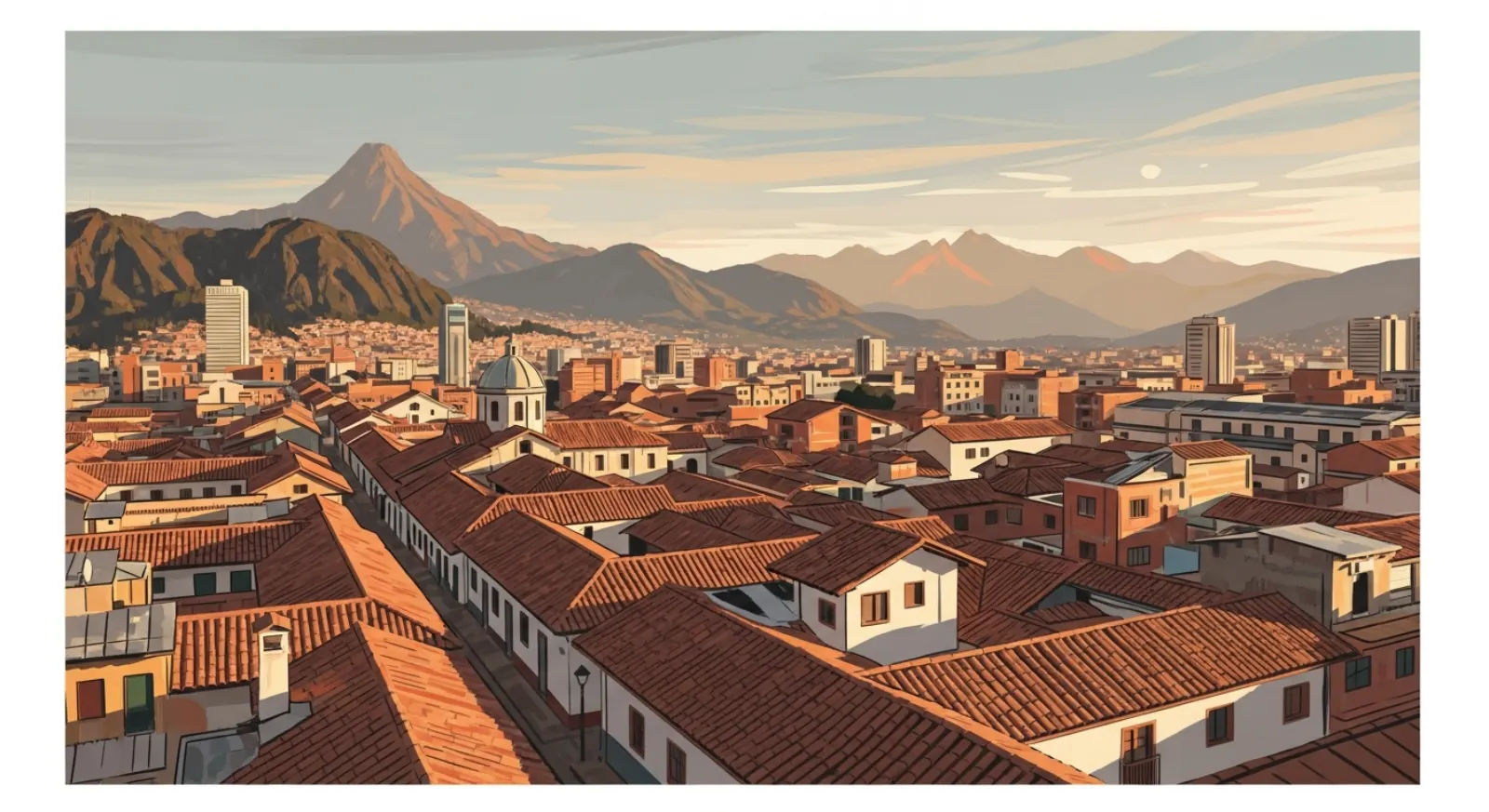
Colombia · Andean Highlands
"The capital nobody visits long enough."
My ratings
The honest take
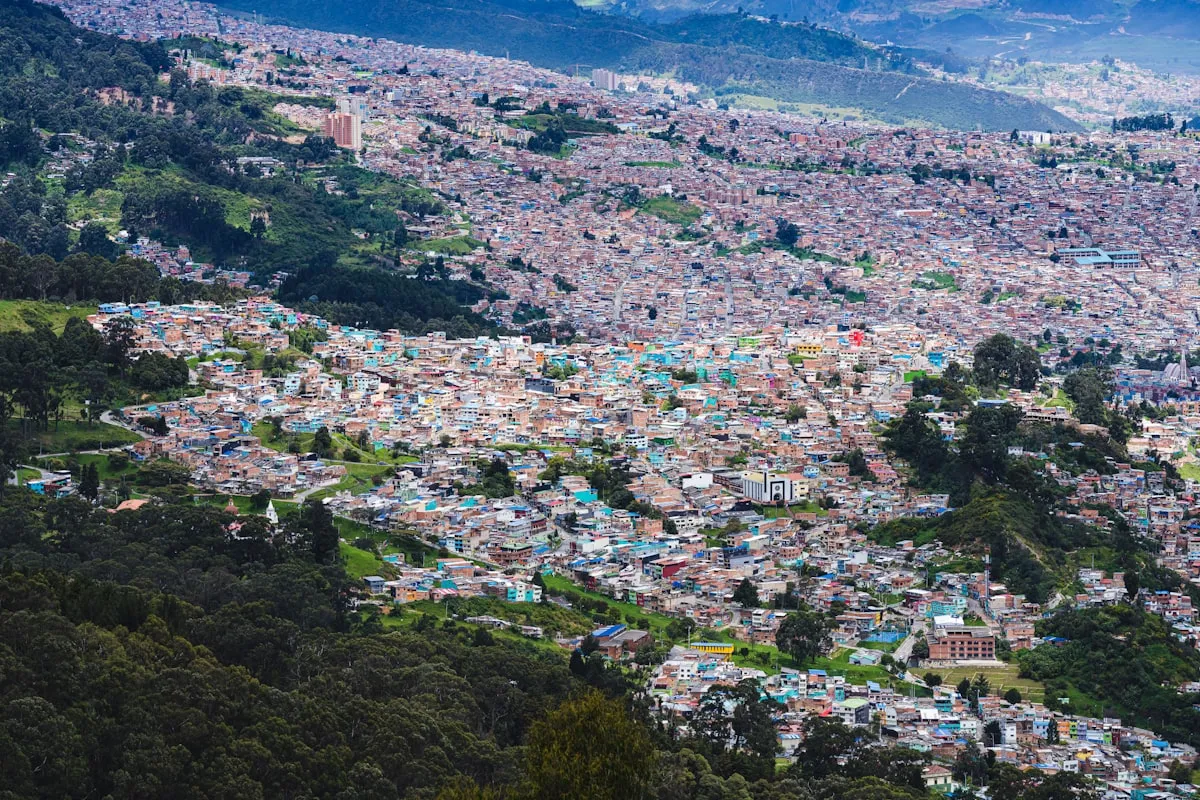
Cold, grey, and enormous, and somehow you end up staying longer than planned. That's the Bogotá experience in a sentence. Most people come for two nights and leave not quite knowing what to make of it. The people who stay for a week tend to come back. The city rewards curiosity and punishes the tourist checklist approach.
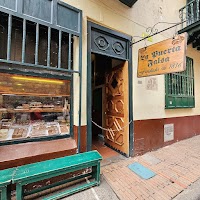
The museum scene is legitimately world-class. Museo del Oro alone is worth the flight, it's one of the genuinely great museums on the planet. Chapinero and Usaquén are comfortable, walkable neighborhoods with excellent coffee, independent restaurants, and an energy that feels like a real city rather than a performance. La Candelaria is essential for at least one full day of walking the history, but don't stay there, it gets rough at night and the hotels aren't worth it.
The altitude (2,600m) will hit you for the first two days if you're coming from sea level. Plan light activities for day one, drink water, skip the beer. After that your body adjusts and you stop noticing it. The wifi is the best in Colombia, co-working infrastructure is serious. Traffic is some of the worst in Latin America. Take TransMilenio or a bike on Sunday when Ciclovía makes the city genuinely different.
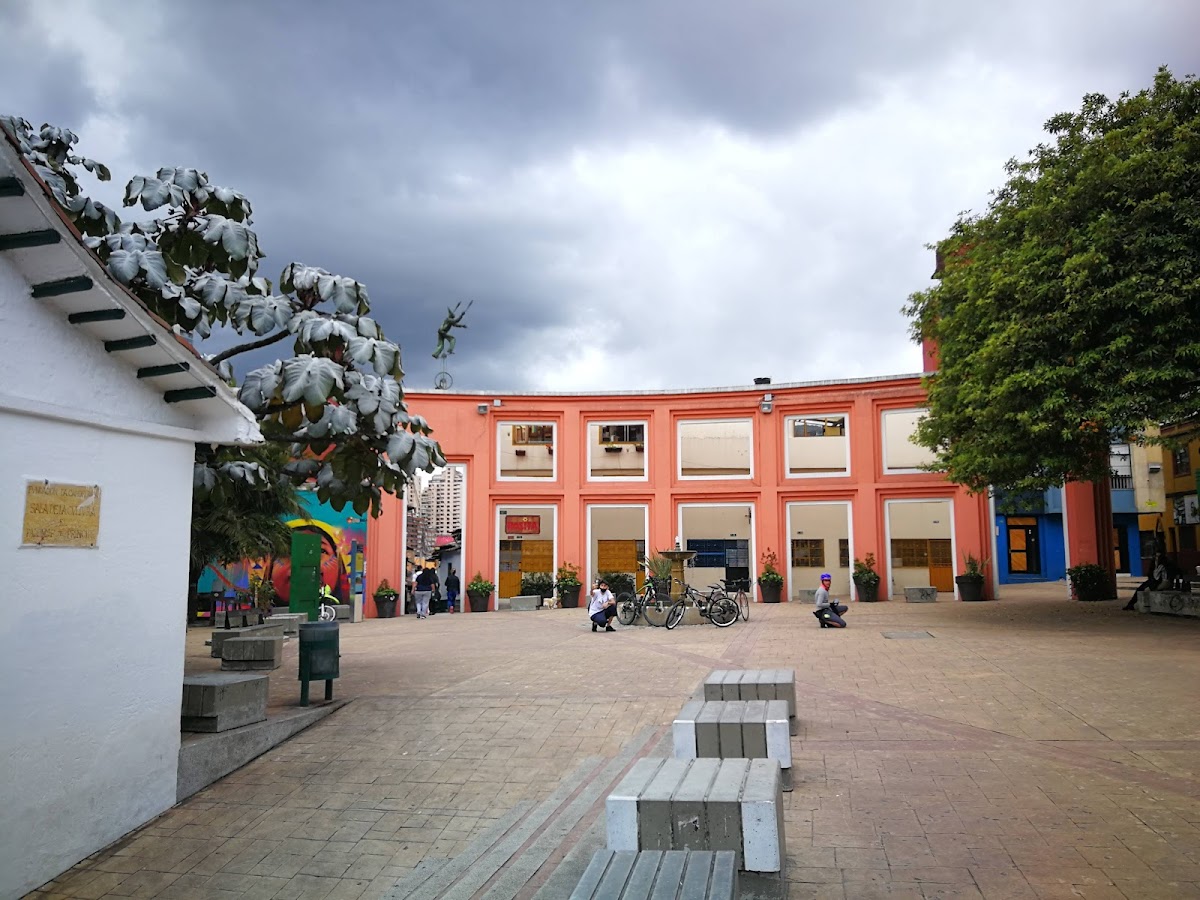
Where to be
Upscale neighborhood with an actual village feel, cobblestone plaza, colonial church, independent restaurants, and one of the best flea markets in Colombia every Sunday. Safe, walkable, and genuinely pleasant. This is where you want to be if you're visiting for comfort and good food.
The creative, young, LGBTQ+-friendly heart of Bogotá. Best bar scene in the city. Independent coffee shops that actually know what they're doing. Artsy without being precious about it. If you're staying more than four days and want to actually feel the city, base yourself here.
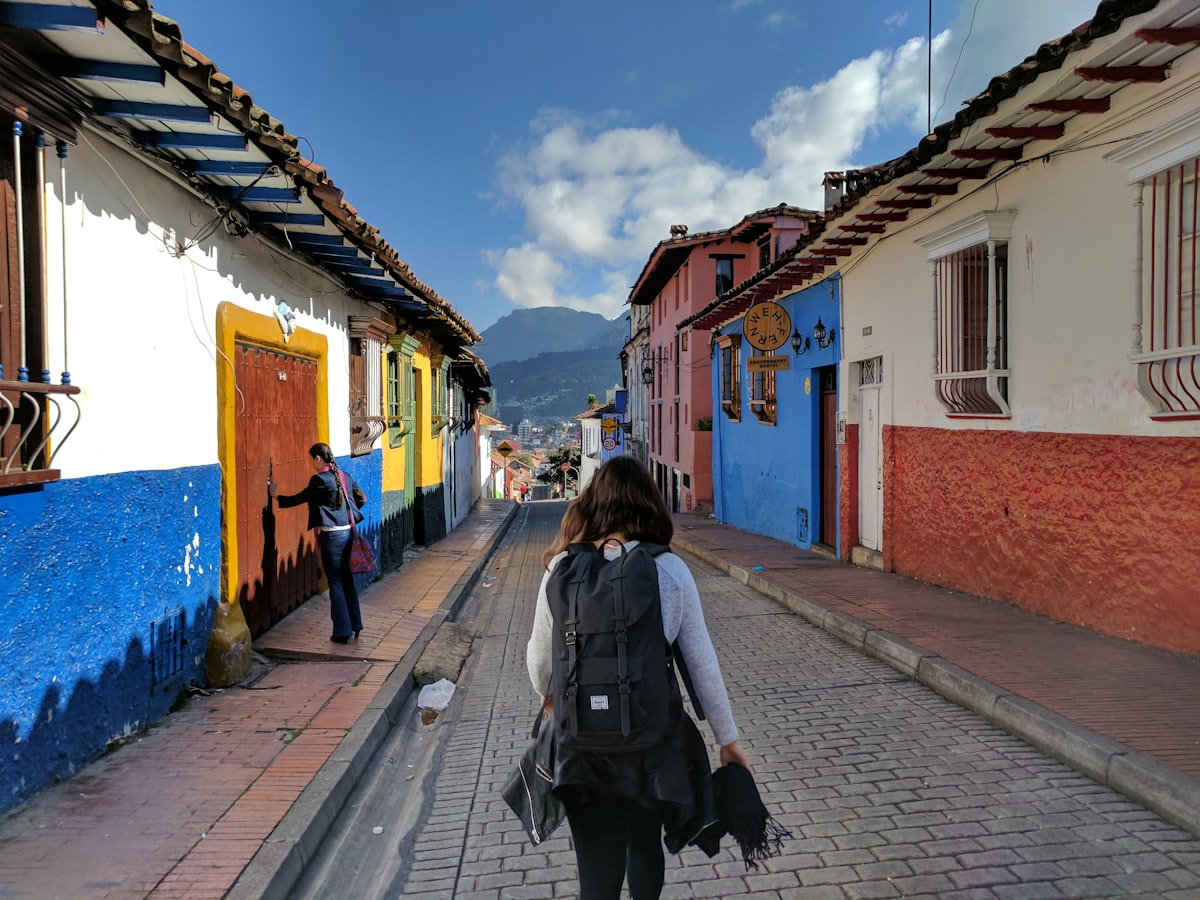
Essential for one full day of walking, the colonial architecture, the murals, the history of the city is all here. But don't stay here. The budget hotels aren't worth it, and it's genuinely rough after dark. Arrive by day, leave by evening.
Corporate, safe, and expensive. Good for working from cafés if you're in meetings and need reliable wifi. Not particularly interesting, but not unpleasant. If your company is paying for accommodation, this is probably where they'll put you.
Where to eat
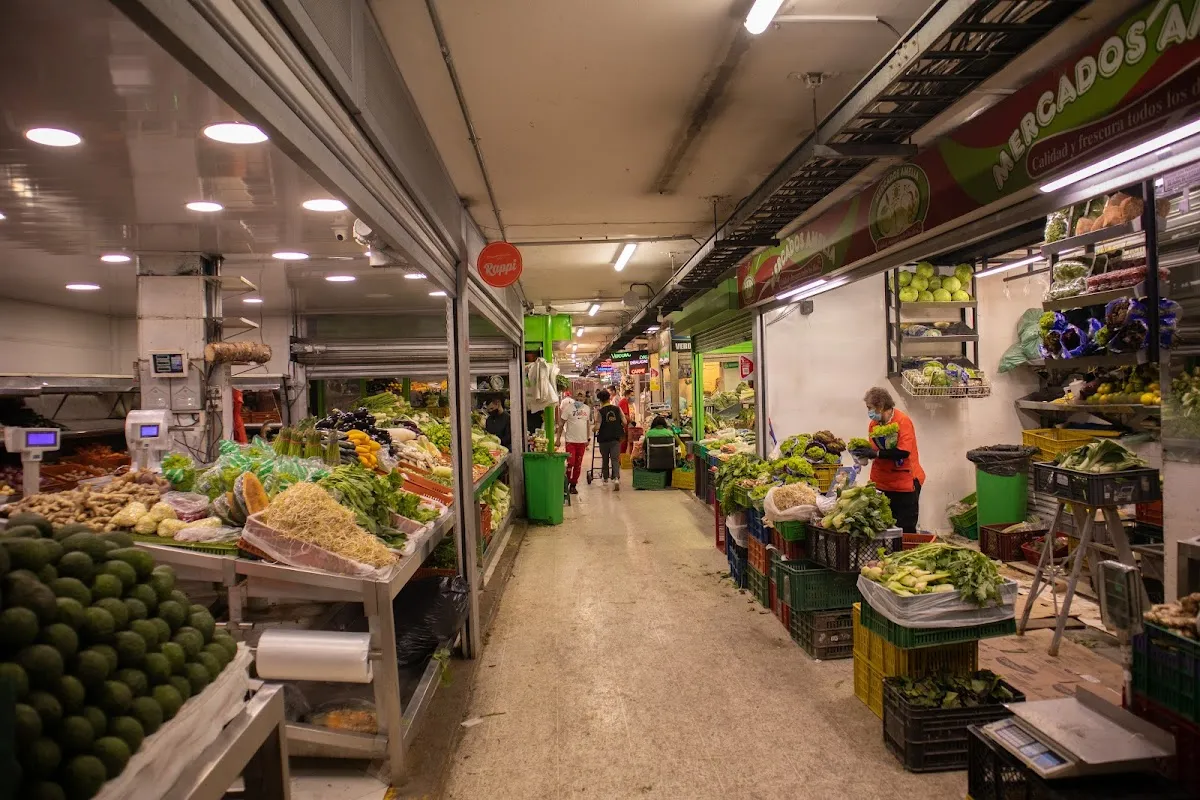




Worth your time



Planning
December through March is the driest period and the most popular. The city gets more sunshine (relatively speaking -- this is still Bogota), festivals are in full swing around Christmas, and the outdoor markets and Ciclovia feel their best. January is particularly good: the holiday crowds leave, prices normalize, and the weather holds.
June through August is another dry window and slightly less crowded than December-March. This is when I'd tell most people to come. The weather is similar, but you'll share the city with fewer tourists and find better hotel rates.
April-May and September-November are the rainy seasons. Afternoon downpours are near-daily, and the city gets even greyer than usual. That said, mornings are often clear, and the rain typically stops by evening. If you're here for museums, food, and nightlife rather than outdoor activities, the rain barely matters. Prices are lowest during these months.
The temperature is essentially constant year-round: 8-20C (46-68F). Yes, that's cold compared to the rest of Colombia. You will need a jacket. Every tourist who arrives from Cartagena or Medellin is shocked by this. Pack layers.
Know before you go
Altitude: At 2,600 meters, Bogota is higher than Denver. If you're coming from sea level, the first two days will hit you -- shortness of breath, headaches, fatigue. Drink a lot of water, skip alcohol on day one, and don't plan anything strenuous. By day three your body adjusts and you'll barely notice it. Some people swear by coca tea (mate de coca), available everywhere.
Safety: Bogota is a massive city and safety varies wildly by neighborhood. Usaquen, Chapinero, Zona Rosa, and the northern neighborhoods are generally safe. La Candelaria is fine during the day but gets rough at night -- leave before dark. Don't flash phones or jewelry on the street anywhere. Use Cabify or InDriver, never hail taxis off the street. For the full picture, read my safety in Colombia guide.
Getting around: TransMilenio is the bus rapid transit system -- it's cheap, extensive, and packed during rush hour. Off-peak, it's a great way to get around. Cabify and InDriver are the go-to ride apps. Traffic is some of the worst in Latin America, so factor in travel time (a 10km trip can take 45+ minutes during peak hours). On Sundays, Ciclovia shuts down 70km of roads for bikes -- rent one and ride.
Money: Same as the rest of Colombia -- pesos, ATMs everywhere, cards accepted at most restaurants in the neighborhoods you'll visit. Bogota is cheaper than Cartagena but more expensive than Medellin. A nice dinner for two runs $25-40 USD. Coffee is $1-2. A decent hotel or Airbnb in Chapinero or Usaquen runs $40-80/night.
Visa: Most nationalities get 90 days on arrival -- no advance visa needed. For the full breakdown, see the tourist visa guide or the complete visa types overview. If you're thinking about staying longer for remote work, the digital nomad visa guide covers the new visa category.
Getting there: El Dorado Airport (BOG) is the main international hub for Colombia. Direct flights from most major US cities, plus connections to Europe. From the airport to Chapinero or Usaquen, pre-book a transfer or use Cabify -- it's about 45-60 minutes depending on traffic. Domestic flights to Cartagena, Medellin, and Cali are frequent and cheap ($30-80 on Wingo or Viva).
Bottom line