Colombia · Caribbean Coast
"Gorgeous but exhausting."
My ratings
The honest take
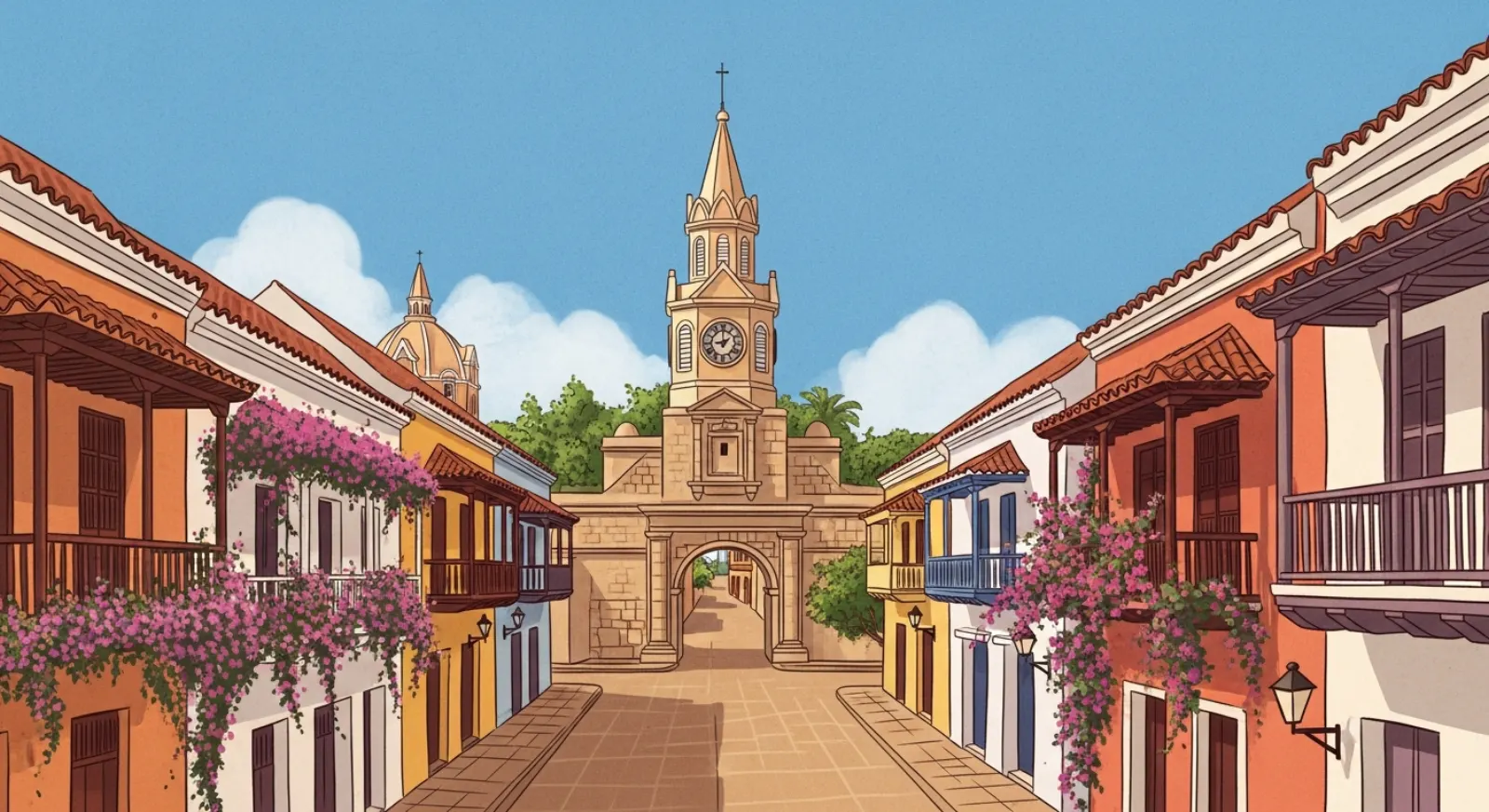
The walled city looks exactly like the photos, and that's both the appeal and the problem. Every corner has been optimized for Instagram. The bougainvillea spills perfectly over the colonial walls. The cobblestones glow at sunset. And behind you, a cruise ship has just docked and deposited four thousand people onto those exact same cobblestones.
The heat is real, not "nice beach warm" but "I need three showers a day and I've stopped apologizing for it" humid. It sits around 30–35°C with humidity that makes that feel like more. Prices inside the walled city are 2–3x the rest of Colombia. A decent hotel room will cost you more than Medellín, Bogotá, and Cali combined for the same quality. A cocktail at a rooftop bar runs $15. That's the reality.
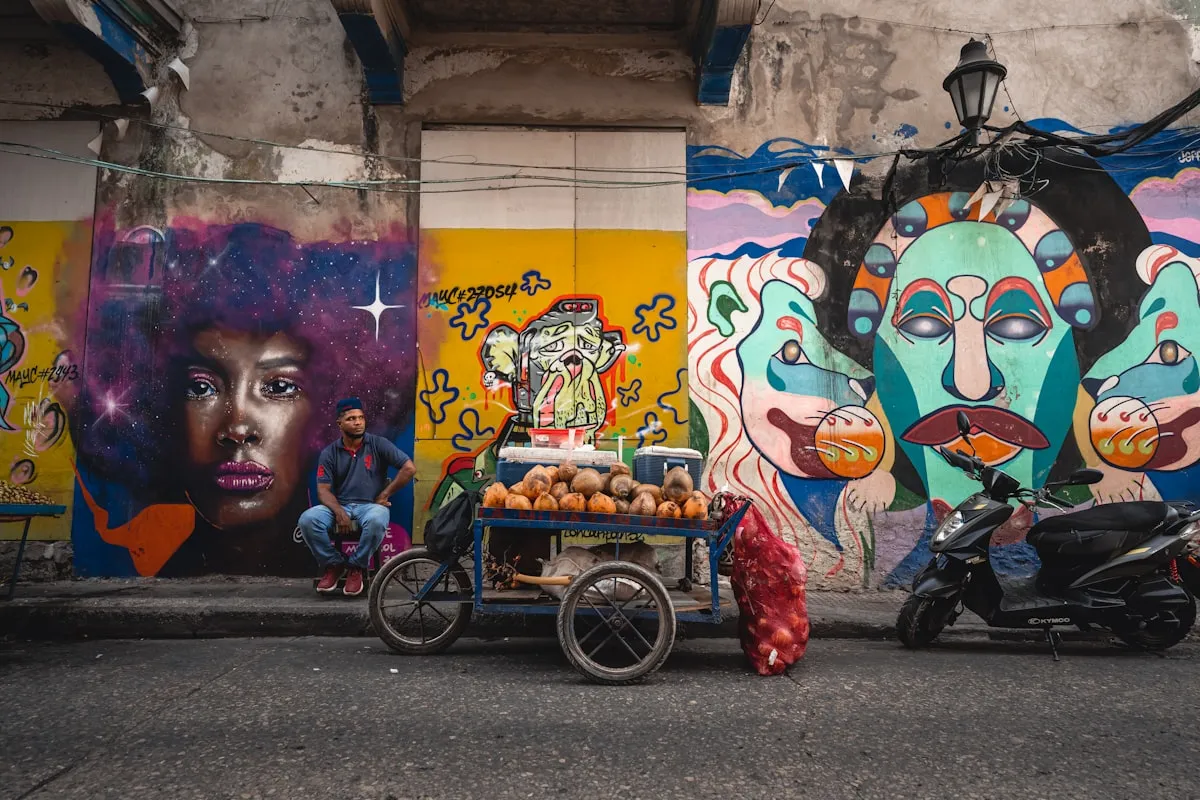
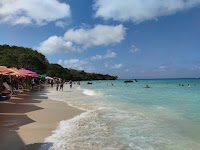
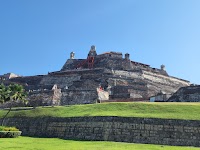
Still: the architecture is legitimately stunning. There's nothing else in Colombia that looks like this, and not much in South America either. Getsemaní, just outside the walls, is one of the most interesting neighborhoods in the country, murals, local bars, real community, and just enough edge to keep things honest. The nearby islands (Islas del Rosario, Playa Blanca) are worth a full day. Go, enjoy it for what it is, manage your expectations, and don't plan to work remotely here.
Where to be
The walled city is beautiful for walking and genuinely worth a few hours. But staying inside the walls means paying premium rates for hotel rooms that aren't worth it, and eating at restaurants priced for tourists. See it during the day, have dinner there once, then go back to Getsemaní to sleep.
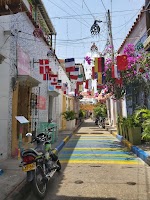
→ View mapWhere you should actually stay. More authentic, more interesting, and 40% cheaper than the walled city. The murals are excellent. The bar scene on a Friday night is the real Cartagena. It was rough for years and is now gentrifying fast, which means go now, before it's been fully polished into another tourist zone.
→ View mapHotel towers, chain restaurants, a mediocre beach. It's just a regular mid-range beach city neighborhood with nothing to recommend it specifically. Unless you got a genuinely great deal on a hotel, skip it entirely.
→ View mapQuieter, more residential, and better value than both Bocagrande and the walled city. Good option if Getsemaní feels too lively or you want a local neighborhood feel without paying walled city prices.
→ View mapWhere to eat

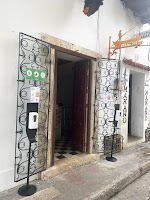
Worth your time
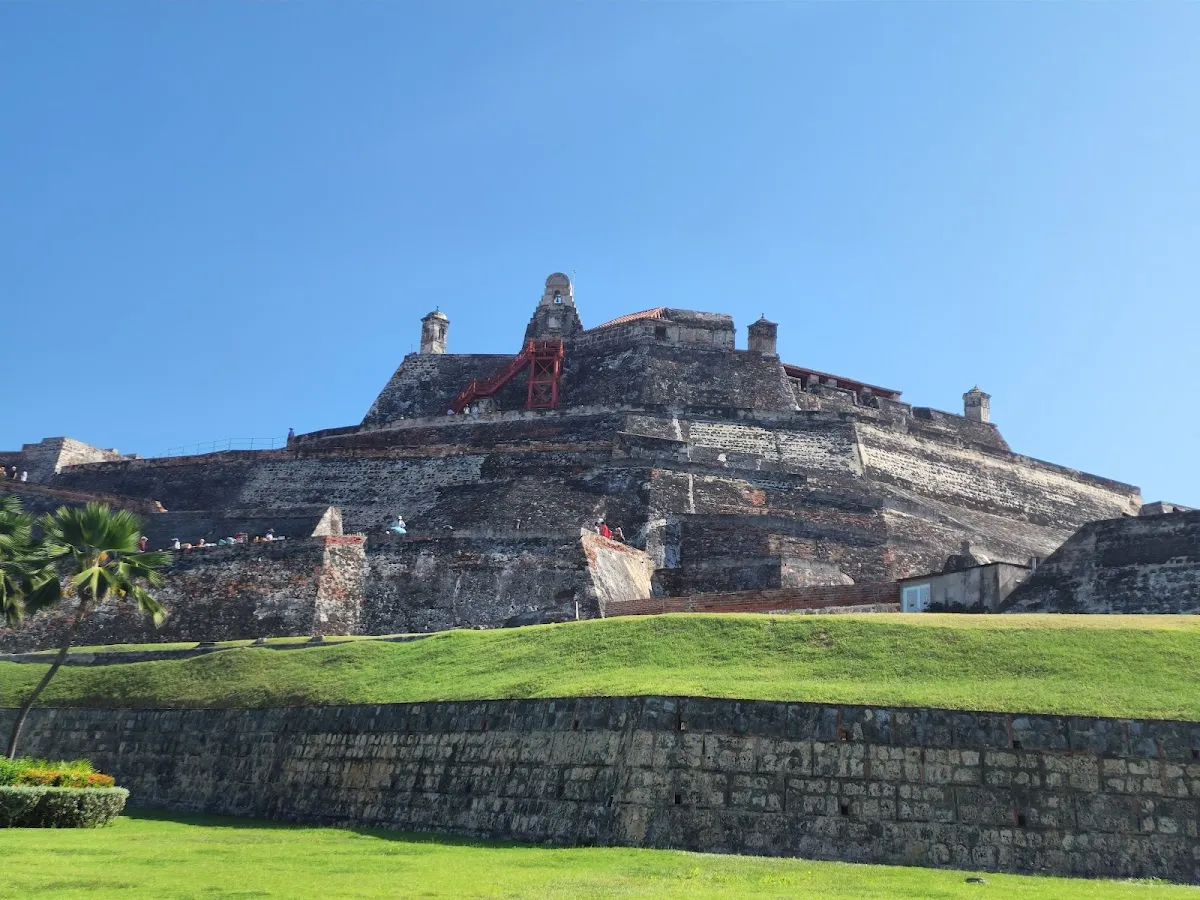
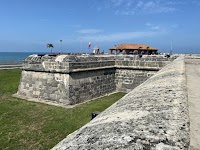
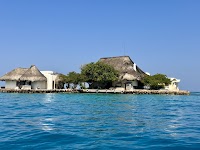
Planning
December through March is the sweet spot. It's dry season, the humidity backs off slightly, and the trade winds from the Caribbean make the heat almost manageable. This is also peak tourist season, so prices go up and the walled city gets crowded, but the weather trade-off is worth it.
April and May are shoulder season and genuinely underrated. You'll get occasional afternoon rain, but the mornings are clear, prices drop noticeably, and the cruise ship crowds thin out. If you can tolerate a little unpredictability, this is when I'd go.
June through November is rainy season. The humidity cranks up, afternoon downpours are almost daily, and some of the island day trips get cancelled due to rough seas. September and October are the wettest months. Hotels are cheapest, but you're rolling the dice on weather every day.
One thing nobody tells you: even in "dry season," Cartagena is hot. We're talking 30-35C with 80%+ humidity. There is no cool season here. Pack accordingly -- light fabrics, sunscreen, and accept that you will sweat through everything.
Know before you go
Safety: Cartagena is generally safe for tourists in the main areas (Walled City, Getsemani, Bocagrande), but petty theft is real. Don't wear flashy jewelry or carry your phone loosely. After dark, stick to well-lit streets and take Cabify or InDriver instead of walking long distances. The beach vendors at Playa Blanca can be aggressive -- a firm "no gracias" works. For more detail, read my safety guide for Colombia.
Getting around: The walled city and Getsemani are completely walkable. For anywhere else, use Cabify or InDriver (not street taxis -- they don't use meters and will overcharge you). Uber technically works but operates in a grey area. To get to the airport, pre-book a transfer or use Cabify -- the taxi mafia at the airport charges double.
Money: Colombia runs on pesos. ATMs are everywhere in the tourist areas but charge withdrawal fees ($3-5 USD per transaction). Bring a card with no foreign transaction fees. Many restaurants in the walled city accept cards, but market vendors, street food, and taxis are cash-only. Don't change money on the street. The exchange rate is roughly 4,200 COP to 1 USD as of early 2026, but check before you go.
Visa: Most nationalities get 90 days on arrival -- no visa needed. If you're planning a longer stay or want to understand the rules, check my Colombia tourist visa guide or the full visa types breakdown.
Getting there: Rafael Nunez Airport (CTG) has direct flights from Miami, Fort Lauderdale, New York, and several other US cities. Domestically, Bogota to Cartagena is about a 1.5-hour flight and can be had for $30-60 on Wingo or Viva. Buses from Santa Marta take about 4 hours.
Bottom line